ECCV 2026

Vector Scaffolding

Inter-Scale Orchestration for
Differentiable Image Vectorization

Jaerin Lee1 Kanggeon Lee1 Kyoung Mu Lee1,2

1 Dept. of ECE & ASRI 2 IPAI
Seoul National University, Korea

Structure first. Detail follows.

Turn pixels into a hierarchy of vector shapes. Vector Scaffolding anchors large shapes first, then adds smaller curves where detail is needed.
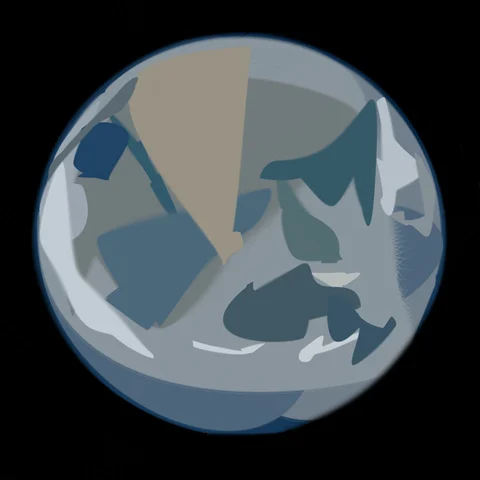
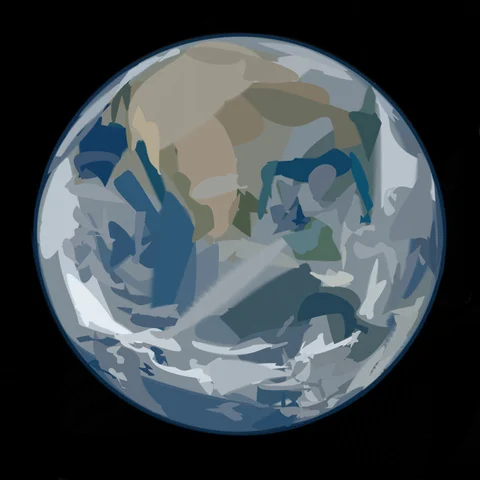
Earth reconstructed with 32 curves: broad shapes establish the globe.

32 curves

Earth reconstructed with 128 curves: continents and cloud bands emerge.

128 curves

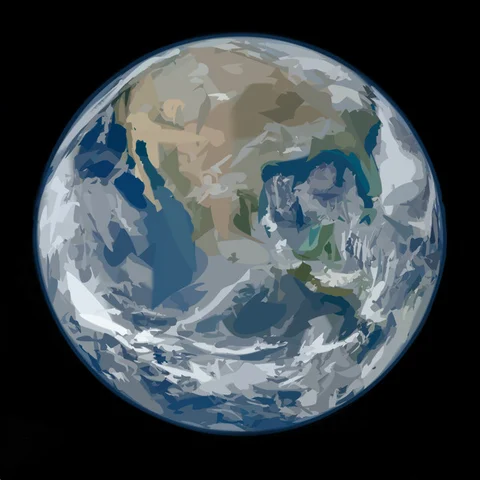
Earth reconstructed with 512 curves: smaller shapes refine the continents.

512 curves

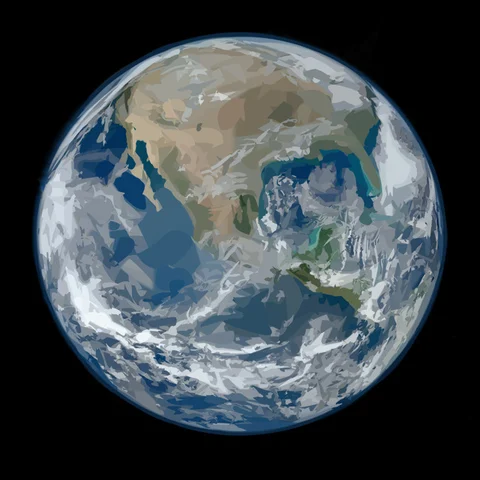
Earth reconstructed with 1024 curves: fine cloud and terrain details appear.

1,024 curves

From coarse structure to fine detail. Training progression on an 8,000 × 8,000 Earth image; selected curve budgets from the paper.
2.5×faster optimization
in wall-clock time
+1.4 dBup to 1.4 dB higher PSNR
on Kodak
50×higher geometric
learning rates

Compared with Bézier Splatting under matched closed-curve budgets. Timings measured on a single A100 GPU.

Give every scale its place.

When all curves compete at once, large shapes can collapse into noisy fragments. We reorganize optimization into a stable, coarse-to-fine construction, using the same Bézier Splatting renderer.

Anchor the base

Interior Gradient Aggregation lets gradients from inside a curve help position it, stabilizing large shapes.

Build in layers

Progressive Stratification adds smaller curves over earlier, coarser layers, guided by the remaining image error.

Refine faster

Rapid Inflation Scheduling adds curves early, doubling the population every 100 iterations until the target budget is reached.
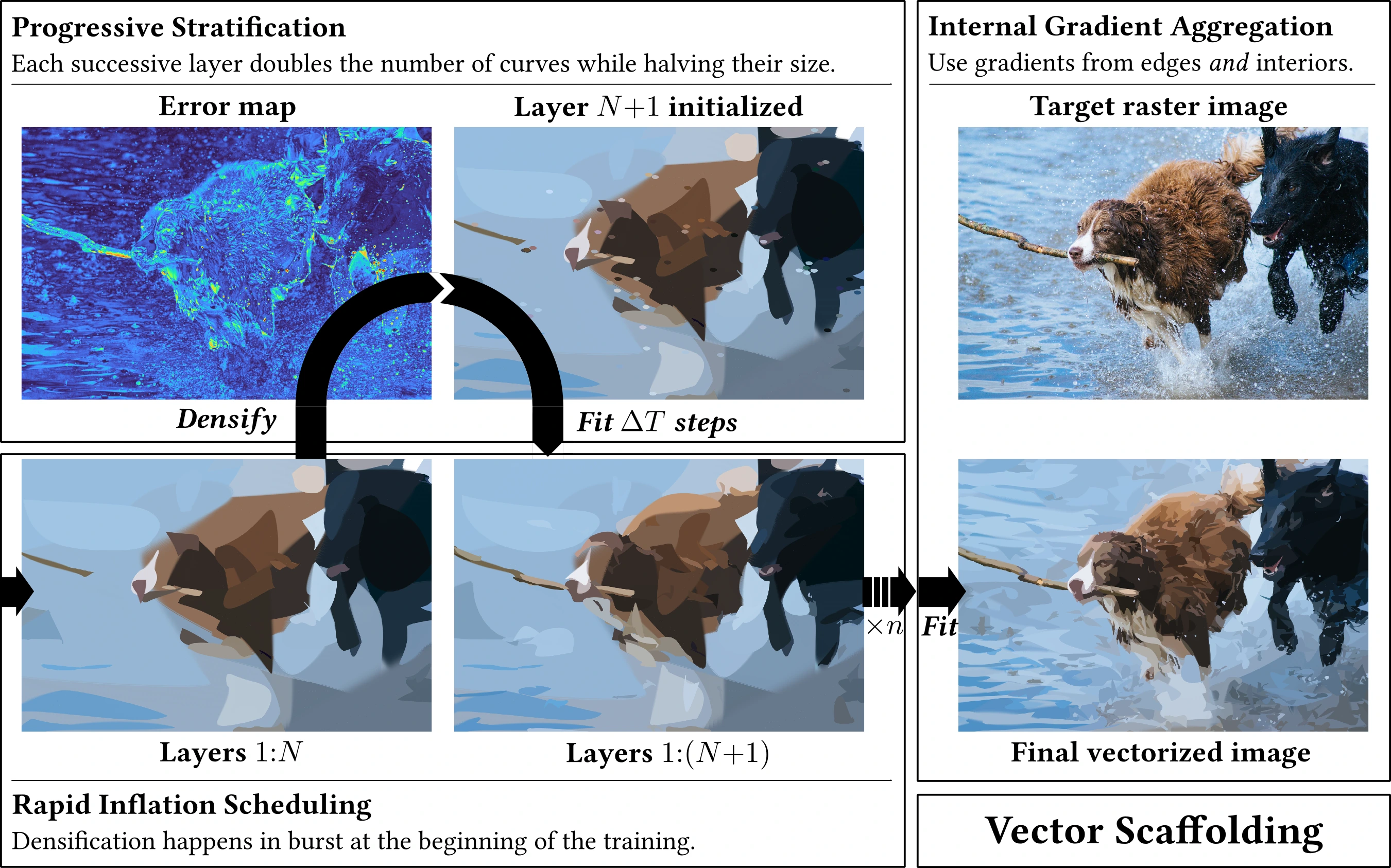
Algorithm overview: an error map guides smaller curves into new layers; gradients from edges and interiors stabilize fitting; rapid early densification builds a detailed vector reconstruction of two dogs in water.
Algorithm overview from the paper. Progressive Stratification, Interior Gradient Aggregation, and Rapid Inflation Scheduling work together to build the final vector representation. View full size.

Better structure, earlier.

Explore all 10 supplementary comparisons. Our method builds coherent regions early while the baseline continues to rearrange fragmented curves.

Vector Scaffolding OursBézier Splatting
Left: ours. Right: Bézier Splatting. These silent supplementary videos align iteration counts, not elapsed time; iteration and PSNR are shown in each frame. Open current video at full size ↗

1 / 10 · Kodak 01

Choose a scene or press Play. Playback advances to the next video automatically and repeats after the last.

The same curve budget. More faithful shapes.

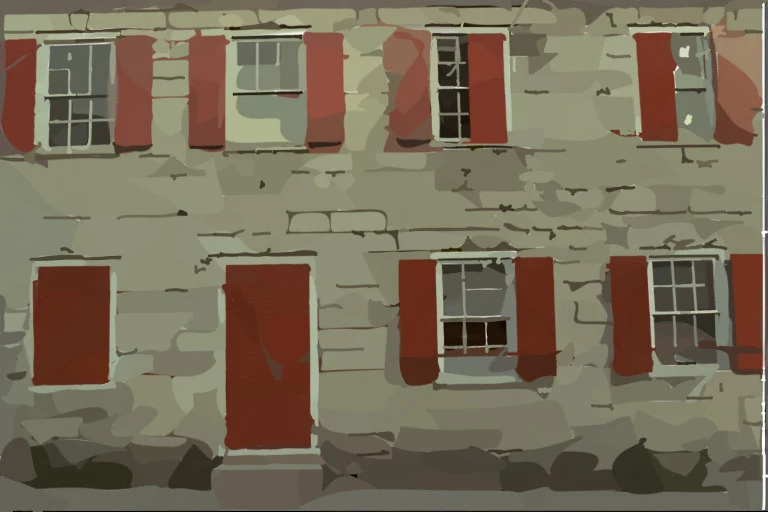
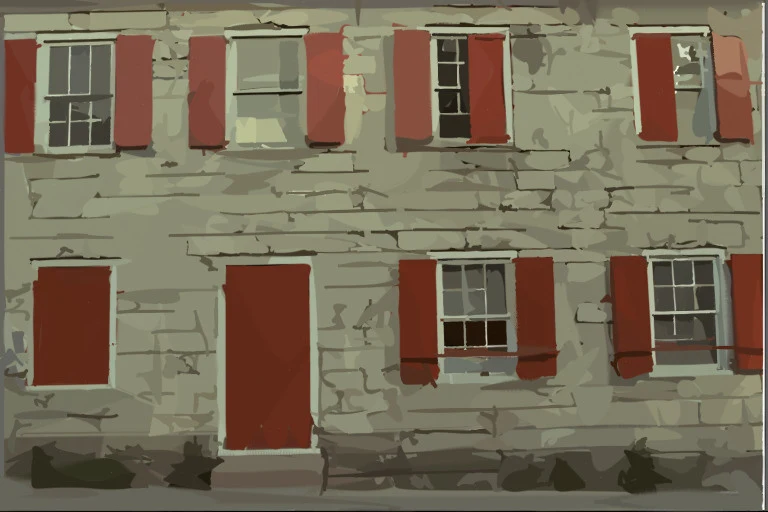
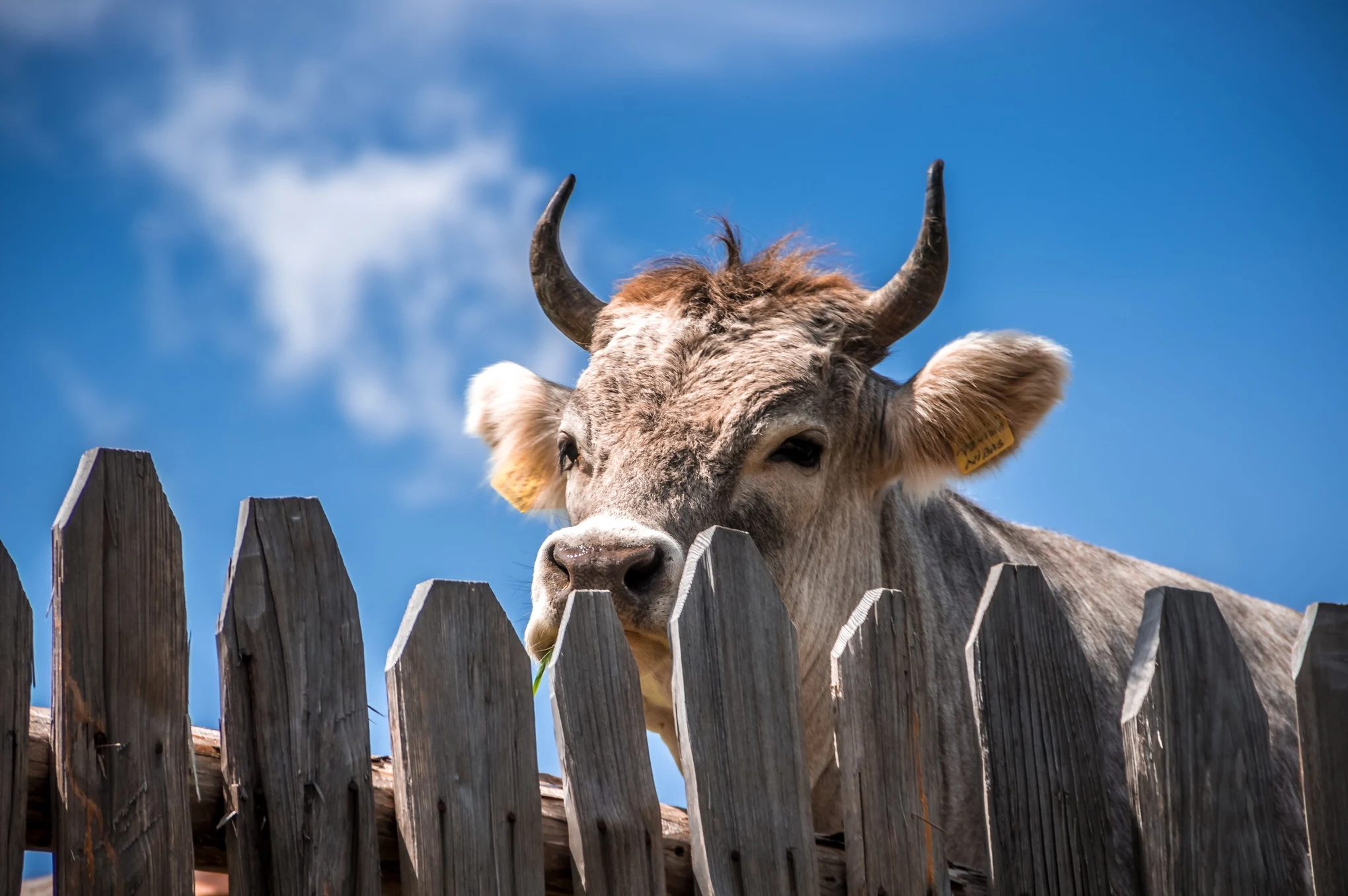
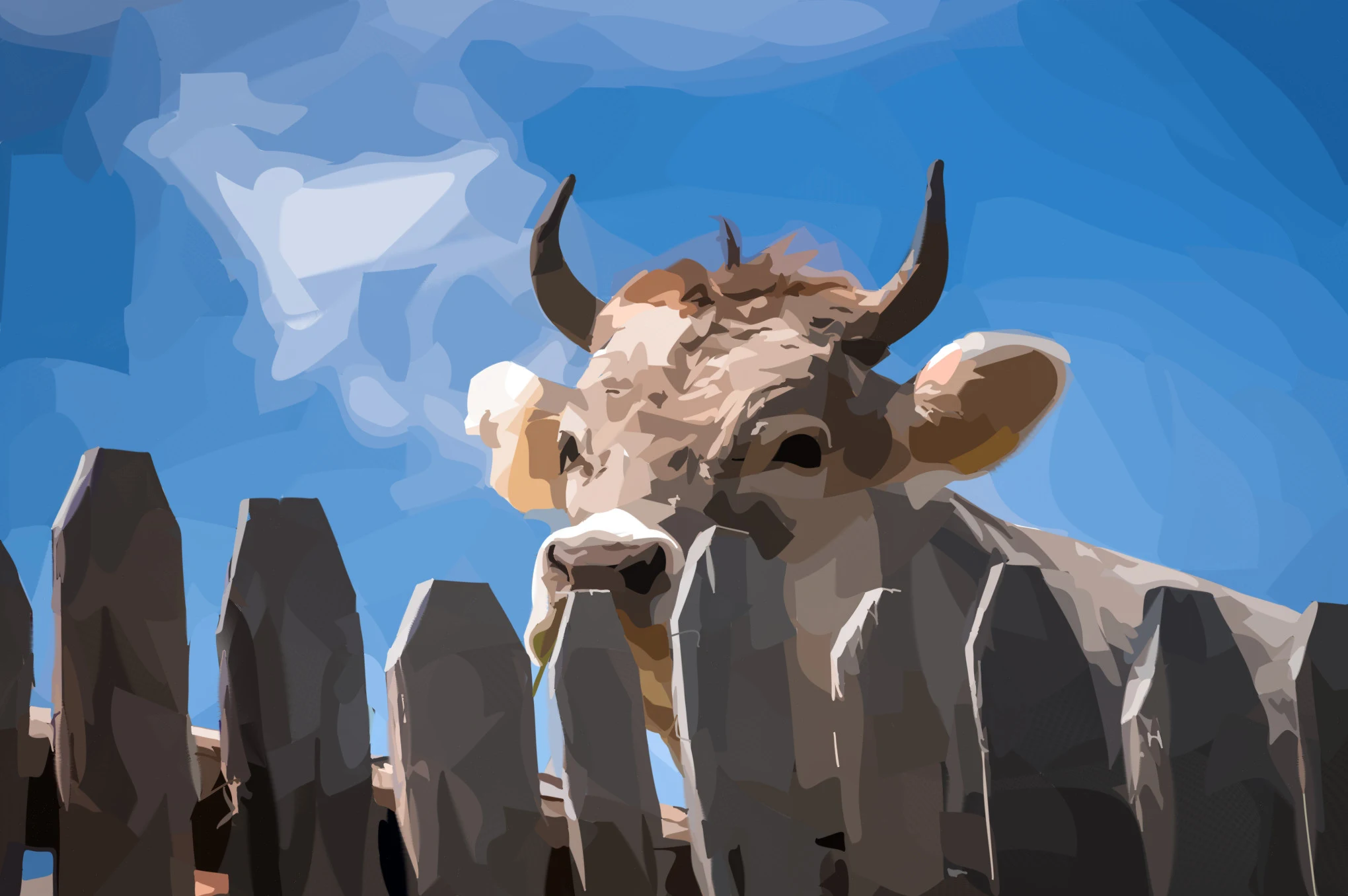
All three examples from the paper’s qualitative comparison, each reconstructed with 512 closed curves. Compare the reference image, Bézier Splatting, and Vector Scaffolding.
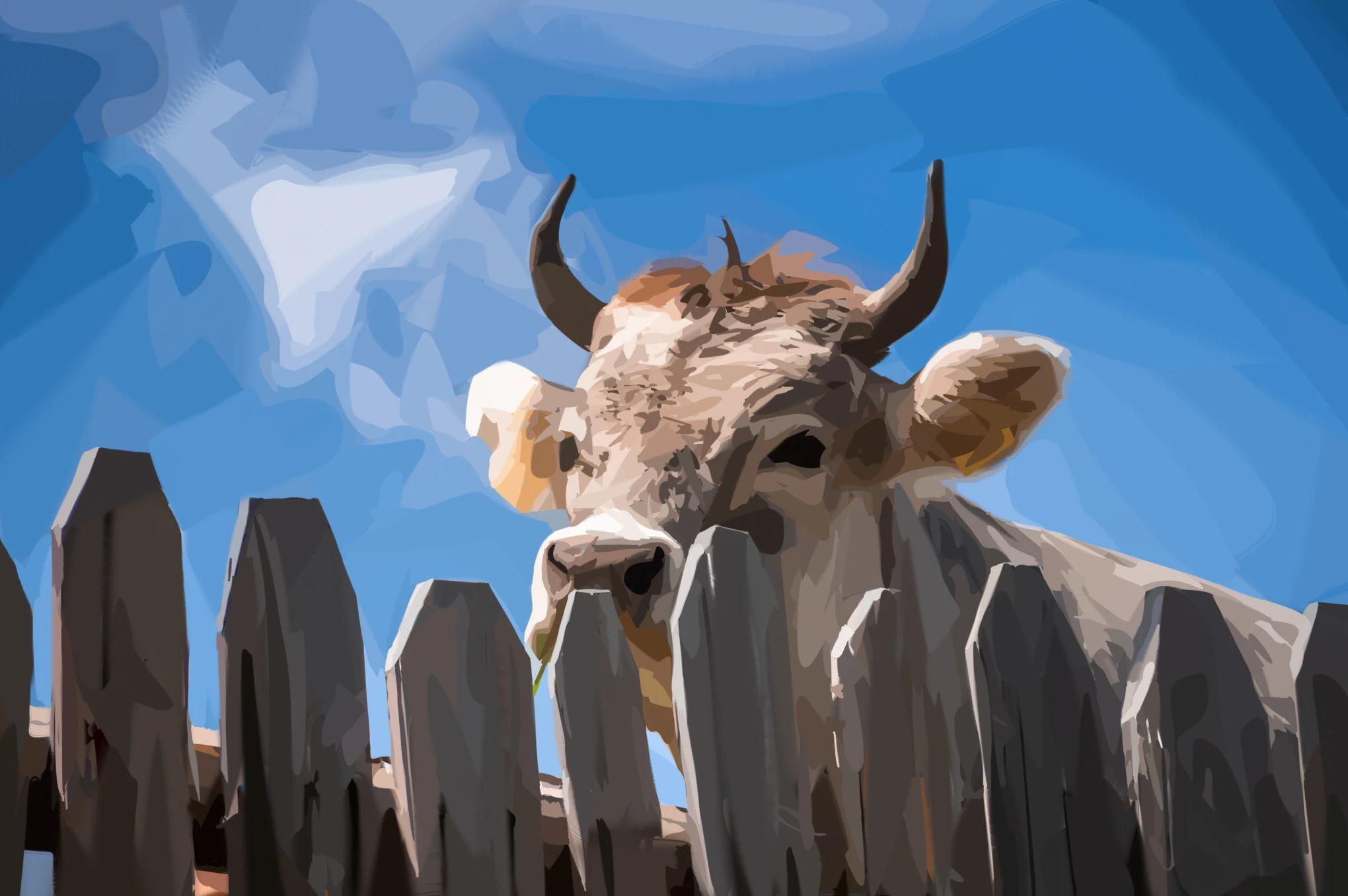
DIV2K 0368

Reference photograph of a horned cow behind a wooden fence against a blue sky.
Reference imageDIV2K 0368
Bézier Splatting reconstruction of the cow, wooden fence, and sky.
Bézier Splatting26.43 dB
Vector Scaffolding reconstruction of the cow, wooden fence, and sky.
Vector Scaffolding27.39 dB

Kodak 01

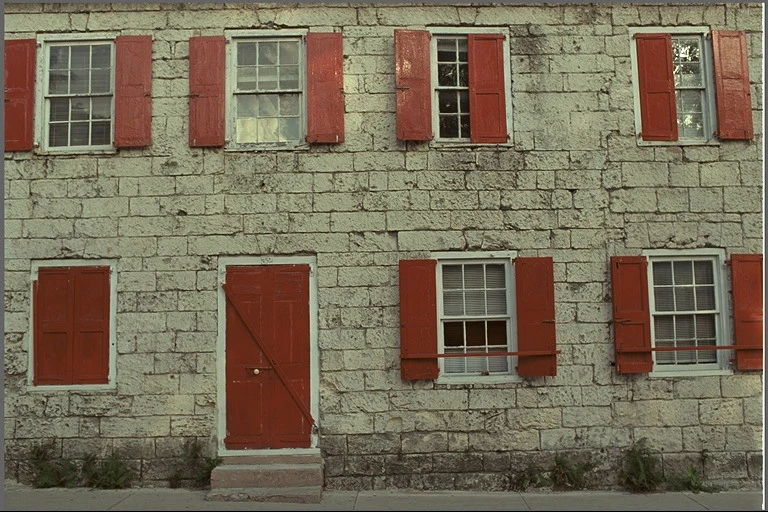
Reference photograph of a stone house with red window shutters.
Reference imageKodak 01
Bézier Splatting reconstruction with uneven roof lines and fragmented stone details.
Bézier Splatting22.42 dB
Vector Scaffolding reconstruction with more coherent roof, windows, and masonry.
Vector Scaffolding23.13 dB

DanbooRegion 20

Reference illustration of a character with long blonde hair, a purple jacket, and a red skirt on a yellow patterned background.
Reference imageDanbooRegion 20
Bézier Splatting vector reconstruction of the character illustration.
Bézier Splatting25.62 dB
Vector Scaffolding vector reconstruction of the character illustration.
Vector Scaffolding27.42 dB
Dataset averages · 1,024 curves · PSNR ↑
DatasetBézier SplattingOursGain
Kodak26.9128.30+1.39 dB
DIV2K23.4523.99+0.54 dB

PSNR measures reconstruction fidelity; higher is better. The paper reports all budgets, SSIM, and LPIPS. Higher PSNR does not imply the best score on every metric.

Keep the result editable.

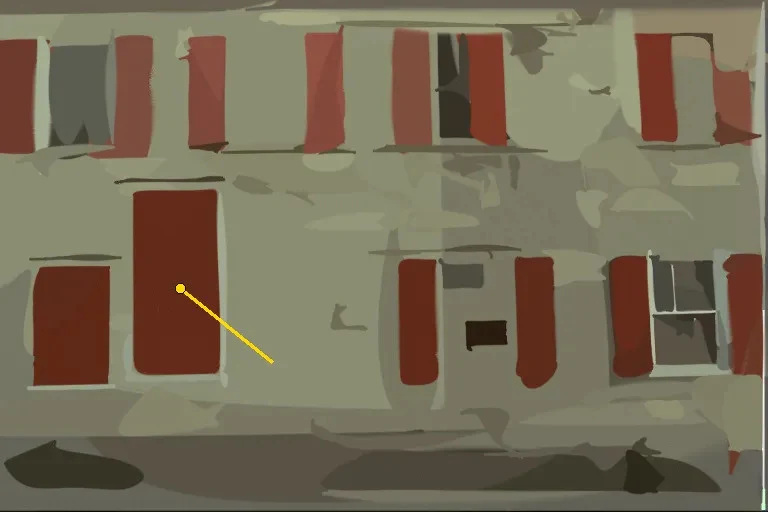
The hierarchy organizes paths by level of detail. In the supplementary editing demo, selecting and modifying curves produces a localized change.

This demonstrates local vector editing, not full semantic object editing.
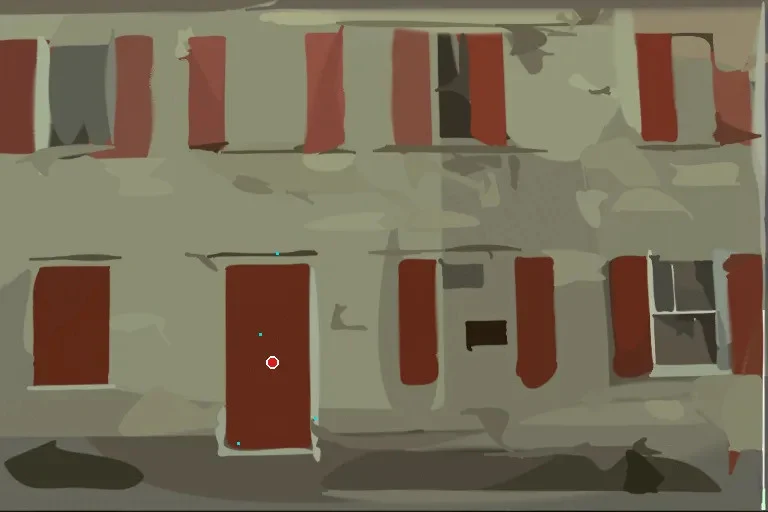
Selected vector paths highlighted around the doorway in the editing demo.
Select local paths
The doorway is locally reshaped while surrounding windows and wall remain intact.
Modify the doorway
Cite this work
@inproceedings{lee2026vectorscaffolding,
  title     = {Vector Scaffolding: Inter-Scale Orchestration
               for Differentiable Image Vectorization},
  author    = {Lee, Jaerin and Lee, Kanggeon and Lee, Kyoung Mu},
  booktitle = {ECCV},
  year      = {2026}
}